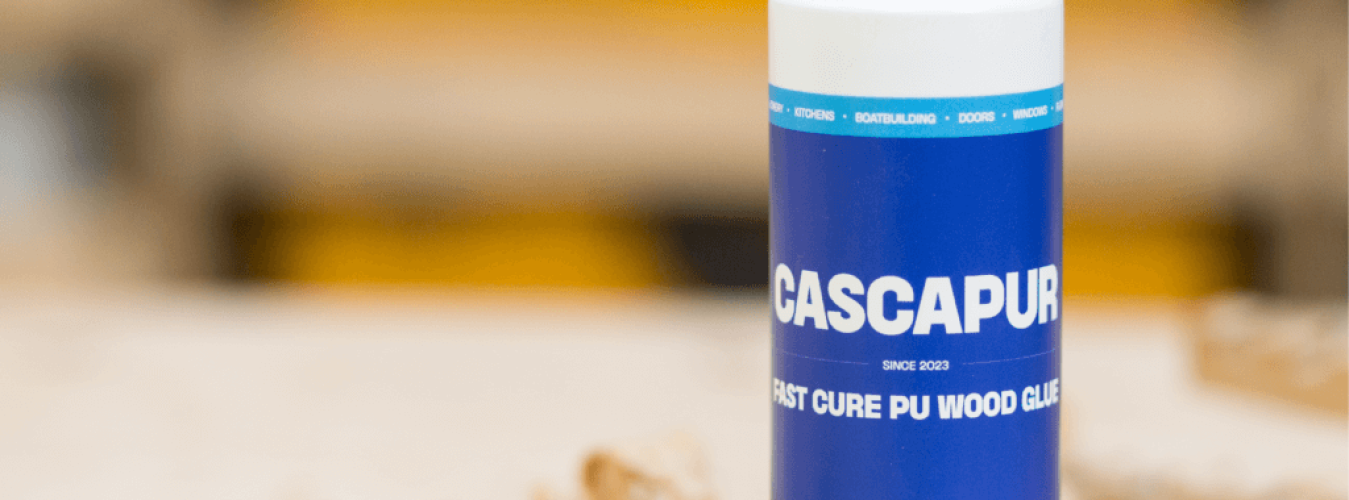
How Does D4 Wood Glue Improve Waterproof Bonding in Wood Projects?

When it comes to woodworking, durability is everything—especially when your project is exposed to moisture, humidity, or outdoor conditions. Many adhesives work well indoors, but not all can withstand water and environmental stress. That’s where d4 wood glue stands out.
If you’ve ever dealt with joints weakening due to moisture, understanding how d4 wood glue works can help you create stronger, longer-lasting results. In this guide, we’ll explore how it improves waterproof bonding and when you should use it.
What Is D4 Wood Glue?
D4 wood glue is a high-performance adhesive designed for maximum water resistance. It meets the D4 classification standard, meaning it can withstand frequent exposure to water and extreme conditions.
Unlike standard wood glue, which may weaken over time in moist environments, D4 glue maintains its bond strength even under challenging conditions.
Key Features:
- Waterproof and weather-resistant
- Strong bonding for structural applications
- Suitable for interior and exterior use
- Long-lasting durability
Why Waterproof Bonding Matters in Woodworking
Wood naturally absorbs moisture, which can lead to expansion, contraction, and eventually joint failure. Using the right adhesive for wood sticking ensures your project remains stable over time.
Common Problems Without Waterproof Glue:
- Joint separation
- Warping and cracking
- Reduced lifespan of furniture or structures
This is why choosing a good wood glue like D4 is essential for projects exposed to moisture.
How D4 Wood Glue Improves Waterproof Bonding
1. Superior Water Resistance
The main advantage of d4 wood glue is its ability to resist water penetration. It forms a strong bond that doesn’t break down easily when exposed to rain, humidity, or spills.
This makes it ideal for:
- Garden furniture
- Outdoor decking
- Kitchen and bathroom installations
2. Strong Adhesion for Wood-to-Wood Applications
When using an adhesive for wood to wood, strength is crucial. D4 glue penetrates deeply into the wood fibers, creating a durable bond that holds under pressure.
Compared to pva wood glue, which works best in dry conditions, D4 glue performs better in demanding environments.
3. Compatibility with Different Wood Types
Whether you’re working with hardwood, softwood, or engineered materials, d4 wood glue ensures consistent bonding across surfaces.
It supports reliable wood glue wood applications without compromising strength or finish.
4. Resistance to Temperature Changes
Outdoor projects often face fluctuating temperatures. D4 glue maintains its performance even with expansion and contraction, ensuring long-term durability.
5. Gap-Filling Capabilities
While not as expansive as expanding wood glue, D4 glue can still handle minor gaps and imperfections, improving overall bonding strength.
D4 Wood Glue vs Other Adhesives
Choosing the right adhesive depends on your project. Let’s compare:
🔹 D4 Wood Glue
- High water resistance
- Ideal for outdoor use
- Strong structural bonding
🔹 PVA Glue
- Easy to use
- Suitable for indoor projects
- Includes glue with pva and adhesives pva
🔹 Expanding Wood Glue
- Expands to fill gaps
- Great for uneven surfaces
- Slightly different application compared to D4
For projects requiring waterproof performance, D4 is often the best choice.
When Should You Use D4 Wood Glue?
1. Outdoor Woodworking Projects
Use d4 wood glue for garden furniture, fences, and decking where moisture exposure is constant.
2. High-Humidity Indoor Areas
Bathrooms, kitchens, and basements benefit from waterproof bonding solutions.
3. Structural Applications
When strength matters, D4 glue provides reliable support for load-bearing joints.
4. Professional Woodworking
For long-term durability and quality results, D4 glue is a preferred choice among professionals.
Tips for Using D4 Wood Glue Effectively
To get the best results, follow these practical tips:
✔ Prepare the Surface
Ensure wood surfaces are clean and free from dust or oil.
✔ Apply Evenly
Use a consistent layer for optimal bonding.
✔ Clamp Properly
Clamping helps achieve a strong and secure bond.
✔ Allow Proper Curing Time
Avoid disturbing the joint until fully cured.
Choosing Between D4 and Other Wood Glues
Not every project requires waterproof adhesive. Here’s a quick guide:
- Use pva glue for indoor, low-moisture projects
- Use d4 wood glue for outdoor or high-moisture conditions
- Use expanding wood glue for gap filling and uneven joints
Understanding how wood and glue interact helps you make better decisions for each project.
Conclusion
When it comes to durability and performance, d4 wood glue is a game-changer for waterproof bonding. Its ability to resist moisture, maintain strength, and perform in tough conditions makes it an essential tool for both professionals and DIY enthusiasts.
While options like pva wood glue and other adhesives pva are great for indoor use, D4 glue provides the extra protection needed for demanding environments.
If you want your woodworking projects to last longer and perform better, choosing the right adhesive is key. Start using D4 wood glue today and experience stronger, more reliable results.
Frequently Asked Questions (FAQs)
1. What is D4 wood glue used for?
D4 wood glue is used for waterproof bonding in woodworking, especially for outdoor and high-moisture projects.
2. Is D4 wood glue better than PVA glue?
Yes, for moisture resistance. While pva glue is suitable for indoor use, D4 glue performs better in wet conditions.
3. Can D4 wood glue be used indoors?
Absolutely. It works well indoors, especially in areas exposed to humidity like kitchens and bathrooms.
4. Does D4 wood glue require clamping?
Yes, clamping ensures a strong bond and proper curing.
5. How is D4 wood glue different from expanding wood glue?
Expanding wood glue fills gaps by expanding, while D4 glue focuses on waterproof strength and durability.