Can beginners easily start the AIP Protocol?

Starting a new diet can feel overwhelming, especially when it involves major lifestyle changes. Many people wonder whether beginners can easily start the AIP Protocol, also known as the Autoimmune Protocol diet. The good news is that while the AIP approach is structured and restrictive in the beginning, beginners can absolutely start it with the right mindset, proper planning, and a clear understanding of its purpose. The AIP Protocol focuses on reducing inflammation, healing the gut, and giving the body a chance to reset. If you approach it step-by-step, you can make the process much easier and more manageable.
The AIP Protocol eliminates foods that commonly trigger inflammation, allergies, or digestive issues. This includes grains, dairy, legumes, processed sugar, nuts, seeds, eggs, and nightshade vegetables. Because of this long elimination list, many beginners assume the diet is too complicated to follow. However, simplicity is the true foundation of AIP. You focus on whole foods, clean proteins, vegetables, fruits in moderation, and nutrient-dense additions like Grass Fed Collagen. Beginners often find that once they understand what to eat instead of what to avoid, the AIP Protocol feels more like a shift toward mindful eating than a restrictive diet.
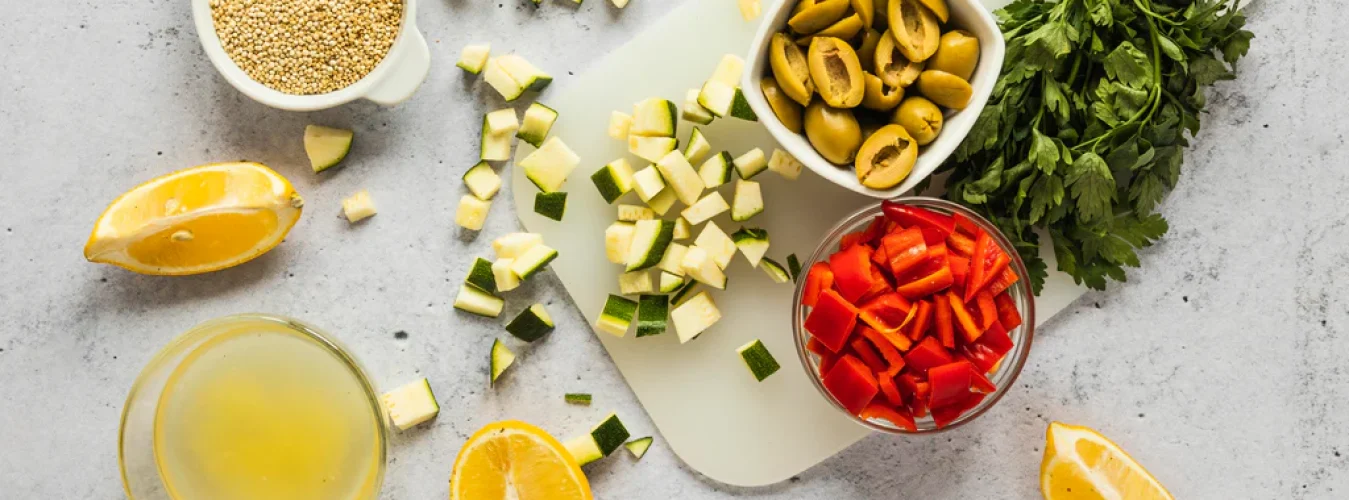
One great way for beginners to ease into AIP is by preparing their kitchen ahead of time. Removing processed snacks, sugary items, and foods that fall outside the AIP guidelines helps eliminate temptation. At the same time, stocking up on AIP-friendly foods creates an environment that supports your journey. Vegetables, grass-fed meats, clean broth, wild-caught fish, fresh herbs, and healing supplements like Grass Fed Collagen can become pantry staples. When everything you see in your kitchen aligns with your goals, it becomes significantly easier to follow the protocol consistently.
Another important element that makes the AIP Protocol beginner-friendly is the focus on nutrient density. Instead of simply cutting out foods, you are encouraged to fill your meals with foods that nourish your immune system and digestive tract. For example, adding bone broth to your routine can support gut health, and incorporating Grass Fed Collagen can help repair tissues and improve skin, hair, and joint health. These nutrient-dense choices allow beginners to feel satisfied rather than deprived, which is a key factor in long-term success.
Meal planning is one of the simplest strategies for making the AIP diet easier for beginners. Creating a weekly meal plan eliminates the stress of figuring out what to eat each day. When you plan ahead, you control your ingredients, reduce the chance of mistakes, and avoid last-minute unhealthy decisions. Many beginners thrive by preparing large batches of meals, such as slow-cooked meats, AIP soups, roasted vegetables, and homemade snacks. This helps you stay consistent even on busy days. Over time, meal prep becomes second nature and reduces the emotional and mental load of following the protocol.
Support also plays a major role in helping beginners feel confident while starting the AIP Protocol. Online communities, recipe blogs, and support groups can offer motivation, tips, and encouragement. Engaging with people who are following or have completed the AIP Protocol can help you stay accountable and better understand what to expect. You may even find AIP cooking channels, meal planners, and apps that simplify shopping lists and food choices. With the right support system, beginners don’t feel alone or confused throughout their journey.
One question many beginners ask is how long it takes to notice improvements on the AIP diet. While results vary, many people start to feel better within a few weeks. Reduced inflammation, improved digestion, fewer flare-ups, and increased energy are common early benefits. The key is consistency. The AIP Protocol works best when beginners commit fully to the elimination phase and slowly reintroduce foods after several weeks of healing. Even if the process seems slow, the positive changes that come with reducing inflammatory foods often motivate beginners to keep going.
Understanding the reintroduction phase is another helpful way for beginners to feel confident about starting. The AIP Protocol does not require you to eliminate foods permanently. Instead, you remove them temporarily, allow your body to heal, and then bring them back slowly to observe how your system reacts. This step-by-step reintroduction teaches you which foods your body tolerates and which ones trigger symptoms. As a beginner, knowing that the restrictions are temporary can make the process less intimidating.
It’s also helpful to focus on small wins. Beginners often struggle with perfection, thinking they must follow every detail flawlessly from day one. However, even gradual changes can lead to noticeable improvements. Replacing processed snacks with fruit or adding Grass Fed Collagen to your morning routine are small steps that support your healing. Over time, these small adjustments build momentum and help you fully transition into the AIP lifestyle.
Finally, self-compassion is essential when starting the AIP Protocol. It is okay to feel overwhelmed at first or to make mistakes along the way. What matters most is recognizing why you started and staying committed to your health goals. When you view the AIP Protocol as a journey instead of a strict set of rules, you allow yourself room to learn, grow, and adapt.
In conclusion, beginners can absolutely start the AIP Protocol with the right mindset, preparation, and support. By focusing on whole foods, incorporating nutrient-dense additions like Grass Fed Collagen, and planning meals ahead of time, the process becomes much easier to manage. The AIP Protocol is not just a diet—it is a pathway to healing, self-awareness, and long-term wellness. With patience and consistency, beginners can thrive and experience meaningful improvements in their overall health.