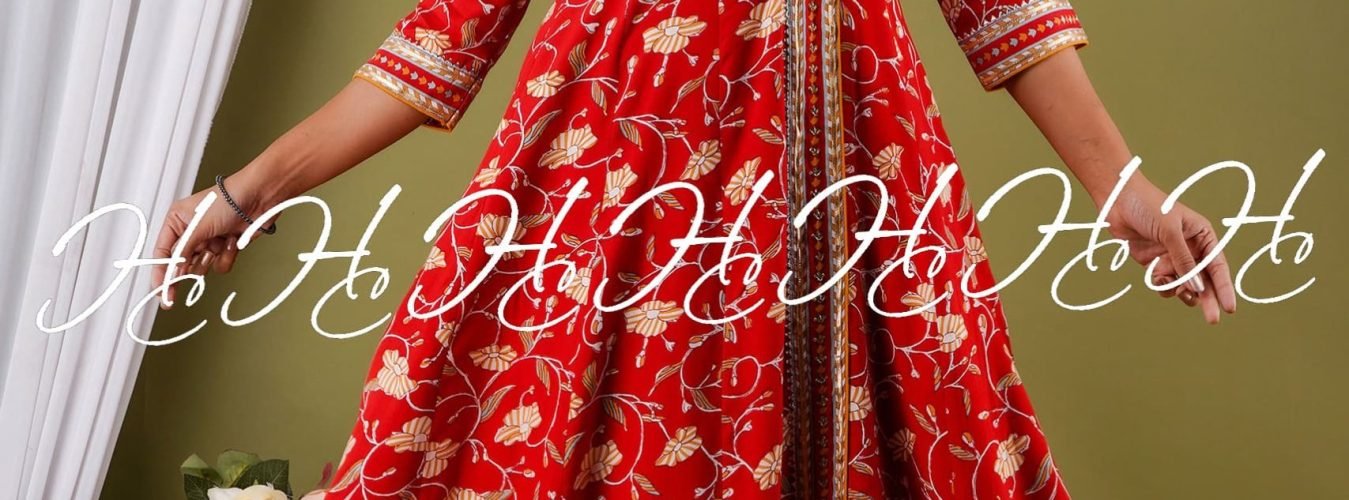
What is the price range offered by kurti manufacturers for wholesale?

When buyers enter the ethnic wear market, one of the first and most important questions they ask is about pricing. Understanding the wholesale price range offered by kurti manufacturers helps retailers, boutique owners, and online sellers plan inventory, margins, and target customers effectively. Prices vary widely depending on fabric, design, craftsmanship, order quantity, and the manufacturing hub. Cities like Jaipur play a major role in shaping these price ranges because of their rich textile heritage and large production capacity.
Factors That Influence Wholesale Kurti Prices
Kurti manufacturers do not follow a single fixed price list. Instead, they calculate prices based on several practical factors. Fabric selection stands at the top of the list. Cotton kurtis generally cost less than silk, rayon, muslin, or linen variants. A simple cotton kurti for daily wear costs significantly less than a festive kurti made with silk blends or heavy embroidery.
Design complexity also affects pricing. Plain printed kurtis remain affordable, while hand block prints, embroidery, mirror work, zari, or gota patti increase costs. Manufacturers charge more when artisans spend additional hours on detailing. Stitching quality, lining, and finishing further influence the final wholesale rate.
Order volume plays a crucial role as well. Bulk buyers enjoy better per-piece pricing because manufacturers spread production costs across larger quantities. Small trial orders usually come at a higher per-unit price compared to full-scale wholesale orders.
Entry-Level Wholesale Price Range
At the entry level, kurti manufacturers offer basic designs suitable for mass markets. These kurtis typically feature cotton or cotton-blend fabrics with simple prints. Wholesale prices for such products often start from a very affordable range, making them ideal for street markets, local shops, and budget online stores.
Many wholesale kurti manufacturers in Jaipur specialize in this segment because Jaipur excels in cotton printing and cost-effective production. Buyers targeting daily wear collections or value-conscious customers often source from this category to maintain competitive retail pricing while ensuring consistent demand.
Mid-Range Wholesale Pricing
The mid-range category attracts the largest number of buyers. In this segment, kurtis showcase better fabrics, trend-driven silhouettes, and moderate embellishments. Rayon, slub cotton, muslin, and soft silk blends dominate this price range. Designs often include embroidery on the yoke, stylish sleeves, and coordinated color palettes.
Manufacturers price these kurtis higher than basic styles, but they still remain accessible for boutiques and growing brands. Retailers prefer this range because it balances affordability with perceived quality. Jaipur-based suppliers thrive here, as they combine traditional techniques with modern designs to meet national and international demand.
Premium and Designer Kurti Pricing
Premium kurtis sit at the higher end of the wholesale price spectrum. These pieces often feature luxurious fabrics, detailed handwork, exclusive prints, and limited-edition designs. Anarkali styles, festive kurtis, and occasion wear dominate this segment.
An anarkali kurti factory Jaipur usually focuses on this premium category because anarkali silhouettes require more fabric, skilled tailoring, and intricate finishing. Wholesale prices increase accordingly due to higher material usage and labor intensity. Buyers who cater to wedding seasons, festivals, and export markets frequently invest in this range to attract customers looking for statement pieces.
Export and Custom Order Pricing
Wholesale pricing also changes when manufacturers produce for export or custom branding. International markets demand stricter quality standards, precise sizing, colorfast fabrics, and premium packaging. These requirements increase production costs, which reflect in the wholesale price.
Customization adds another layer to pricing. When buyers request specific designs, fabric sourcing, private labels, or unique color combinations, manufacturers adjust rates based on development costs and minimum order quantities. Many Jaipur factories handle such requests efficiently due to their experience in global trade.
How Jaipur Shapes Competitive Wholesale Rates
Jaipur remains one of India’s most competitive hubs for kurti manufacturing. The city benefits from skilled artisans, established supply chains, and access to raw materials. Because of this ecosystem, wholesale kurti manufacturers in Jaipur often offer better price flexibility compared to smaller production centers.
Jaipur manufacturers also provide a wide spectrum of pricing under one roof—from budget cotton kurtis to premium anarkali styles. This variety allows buyers to source multiple categories without changing suppliers, saving time and logistics costs.
Price vs. Value: What Buyers Should Evaluate
While price matters, smart buyers also assess value. A slightly higher wholesale price often brings better stitching, color durability, and customer satisfaction. Cheap products may lead to higher returns and damaged brand reputation.
Retailers should compare samples, check consistency, and understand reorder pricing before finalizing a supplier. Reliable manufacturers maintain steady quality across batches, which proves more profitable in the long run than chasing the lowest price.
Conclusion
The wholesale price range offered by kurti manufacturers depends on fabric, design, order size, and target market. From affordable daily wear to premium festive collections, manufacturers cater to diverse business needs. Jaipur stands out as a trusted sourcing destination because it combines cost efficiency with craftsmanship. Whether you source from wholesale kurti manufacturers in Jaipur or a specialized anarkali kurti factory Jaipur, understanding pricing structures helps you build a profitable and sustainable ethnic wear business.